AI Agent Platform
View details

Context Engineering for Production AI Agents
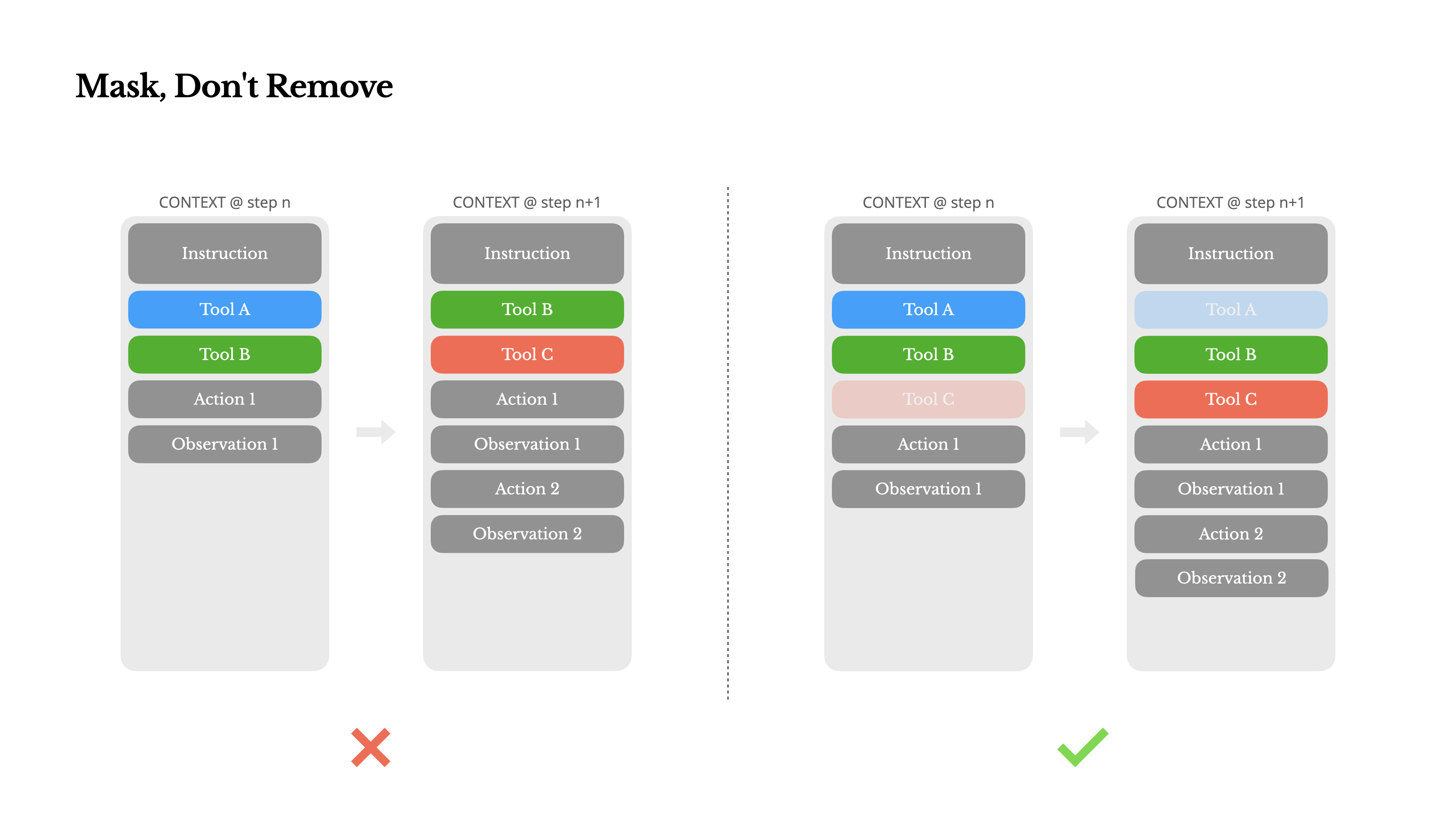

Production agents need more than a well-written prompt. They need the right business context, memory, tool permissions, evaluation criteria, and fallback rules at the exact moment a workflow runs.
Context engineering is the discipline of assembling those inputs so an agent can act with enough information and enough constraint. For B2B teams, this means connecting workspace knowledge, policies, CRM records, tickets, data tables, and operating rules without exposing more than the workflow requires.
A reliable agent workflow usually includes role instructions, task history, retrieved knowledge, tool schemas, user permissions, examples of acceptable output, and escalation rules. Linkinfra AI keeps these layers visible so teams can test and revise them independently.
This makes agents easier to govern. Platform teams can update a connector, security teams can scope access, and business teams can refine examples without rewriting the whole workflow.
Start with the business decision the agent supports. Define what the agent may read, what it may do, which tools it can call, and when a human must review the result. Then evaluate the workflow against real cases before it reaches production users.
Better context reduces hallucination, duplicated work, slow handoffs, and manual cleanup. It also gives teams a practical way to compare agent versions, measure quality, and roll out changes with confidence.
For MAS deployments, context engineering becomes the foundation for every specialized agent role.